
Opening Hours: Mon-Sun: 7.00 am - 10:00 pm A wrecking yard in Sydney, NSW
Opening Hours: Mon-Sun: 7.00 am - 10:00 pm A wrecking yard in Sydney, NSW
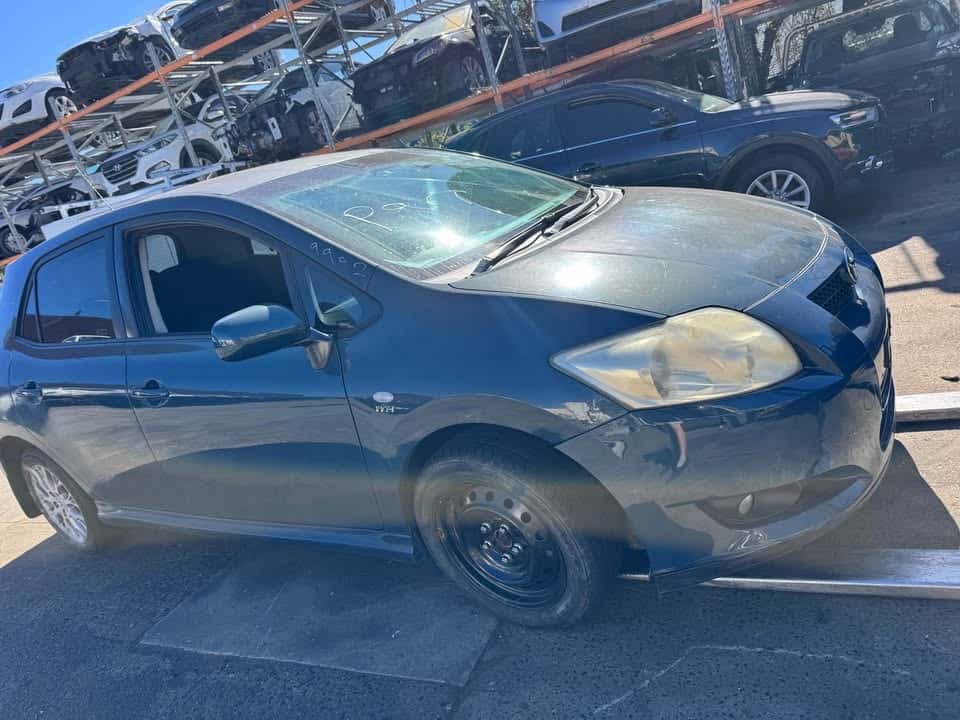
Selling an older vehicle can sometimes be more difficult than expected. You may know the car still has plenty of use left in it, but finding genuine buyers can become harder as the vehicle gets older.
The problem isn’t always age itself. High kilometres, mechanical issues, missing service records, cosmetic damage, higher running costs and limited buyer demand can all make an older vehicle less attractive.
At Sell My Car Sydney, we speak with owners of older vehicles in many different conditions. Some have maintained their cars carefully for years, while others have reached a point where ongoing repairs are becoming difficult to justify. In many cases, it’s the combination of age, condition, history and expected future costs that makes a vehicle harder to sell.
Mileage is one of the first things buyers usually check when looking at an older vehicle. A car with high kilometres has naturally experienced more use, which can mean greater wear on components such as the suspension, brakes, steering, cooling system and transmission.
However, high mileage doesn’t automatically mean a vehicle is unreliable. A well-maintained car with 180,000 km may be a better purchase than a poorly maintained vehicle with significantly fewer kilometres. The difference is often the vehicle’s overall condition and maintenance history.
If you’d rather avoid spending more money on repairs or dealing with private-sale enquiries, you can also explore your options with Sell My Car Sydney.
Major mechanical problems are another common reason older vehicles become difficult to sell. Engine faults, transmission problems, electrical issues, suspension wear and cooling-system problems can quickly change how buyers view a car.
The biggest concern for a buyer isn’t always the current problem. They’re also thinking about what else might go wrong after they purchase it. This is why repairing an older vehicle before selling it requires some thought. A small repair may be worthwhile, but spending thousands on an engine or transmission doesn’t necessarily mean you’ll recover that money through a higher sale price.
If your vehicle no longer starts, it’s worth considering all your options before committing to expensive repairs. You can also read our guide on what to do with a car that no longer starts.
Service history gives buyers a better idea of how a vehicle has been treated. When records are missing, buyers may have questions about when the car was last serviced, whether major maintenance was completed and whether previous problems were properly repaired.
You don’t need a perfect collection of paperwork, but any genuine service invoices, repair receipts or maintenance records can be useful. Before selling, check whether you’ve kept old paperwork in the glovebox, garage or email. Even incomplete records can help explain the vehicle’s history.
Some wear is normal on an older vehicle. Scratches, small dents, faded paint and worn interior parts are expected to some degree. However, when several cosmetic problems appear together, they can make the vehicle look more tired than it actually is.
You don’t necessarily need to spend a lot of money fixing everything. Cleaning the interior, removing personal belongings and giving the vehicle a thorough wash can make it present better. Major body repairs or repainting are different. Before spending heavily on cosmetic work, consider whether the additional value is likely to justify the cost.
Vehicle technology has changed significantly over the years. Many newer cars now offer features such as smartphone connectivity, reversing cameras, modern infotainment systems, improved fuel economy and driver-assistance technology.
An older vehicle may not have these features, which can make it harder to compete with newer models. That doesn’t mean every older car is unattractive. Some buyers actually prefer simpler vehicles because they may be easier to understand and maintain. It depends heavily on the make, model and type of buyer you’re trying to reach.
The purchase price is only part of the cost of owning a vehicle. Buyers may also consider fuel consumption, servicing, tyres, insurance and the possibility of unexpected repairs.
An older vehicle that needs frequent maintenance or uses considerably more fuel than newer alternatives may be harder to justify, even if its asking price is relatively low. This is particularly important when buyers are comparing an older vehicle with newer, more economical options.
Sometimes the problem isn’t the vehicle’s condition at all. Certain makes and models naturally have a larger pool of interested buyers. Popular models can continue attracting attention even when they’re several years old, while less desirable models may receive fewer enquiries.
This is why comparing your vehicle with another car based only on age can be misleading. Make, model, kilometres, condition, history and current market demand all influence how easy a vehicle is to sell.
Previous accident damage can also make an older vehicle harder to sell. Even if the repairs were completed properly, buyers may want to know what happened and what work was carried out.
Being open about known damage is usually the better approach. If you have repair invoices, inspection reports or other relevant documents, keep them available. For vehicles with significant accident history, the private buyer market may be smaller. However, that doesn’t necessarily mean the vehicle has no value.
There isn’t one answer that works for every vehicle. Before paying for repairs, consider the car’s current value, the estimated repair cost and whether the repair is likely to increase the selling price enough to justify the expense.
A minor repair may make sense. A major engine or transmission repair on a low-value vehicle may not. It’s also important to consider how long you are prepared to keep the vehicle while waiting for a buyer. In some situations, selling the vehicle in its current condition can be the more practical option.
You can’t change the age of the vehicle, but you can make the selling process more straightforward. Start by gathering your available service records, repair receipts and vehicle documents. Clean the vehicle and remove personal belongings before taking photographs or arranging an inspection.
Most importantly, be honest about its condition. If the car has known mechanical problems, accident damage or other issues, explain them clearly. You should also research comparable vehicles before deciding what you think the car is worth. Look at similar models with comparable age, kilometres and condition rather than relying only on what you originally paid.
If you’re selling in NSW, it’s also important to understand the relevant selling and registration requirements. The official Service NSW guide to selling a vehicle provides information about the process.
Absolutely. An older vehicle doesn’t become worthless simply because it has reached a certain age. A well-maintained older car may still appeal to someone looking for affordable transport. Even a vehicle with mechanical problems can have value depending on its condition, parts and overall demand. The key is to look at the vehicle realistically.
Instead of asking, How much did I pay for this car? consider its current condition, likely repair costs and what buyers are realistically willing to pay today.
Several things can make an older vehicle difficult to sell, including high mileage, mechanical problems, missing service records, cosmetic wear, outdated features, running costs and limited buyer demand. Age is only one part of the picture. Before spending a large amount of money preparing an older vehicle for sale, look carefully at the numbers. Sometimes a basic clean and some preparation are enough. In other cases, putting more money into an ageing vehicle simply doesn’t make financial sense. The best approach is to understand the vehicle’s current condition, be upfront about its history and choose the selling option that makes the most sense for you.