
Opening Hours: Mon-Sun: 7.00 am - 10:00 pm A wrecking yard in Sydney, NSW
Opening Hours: Mon-Sun: 7.00 am - 10:00 pm A wrecking yard in Sydney, NSW
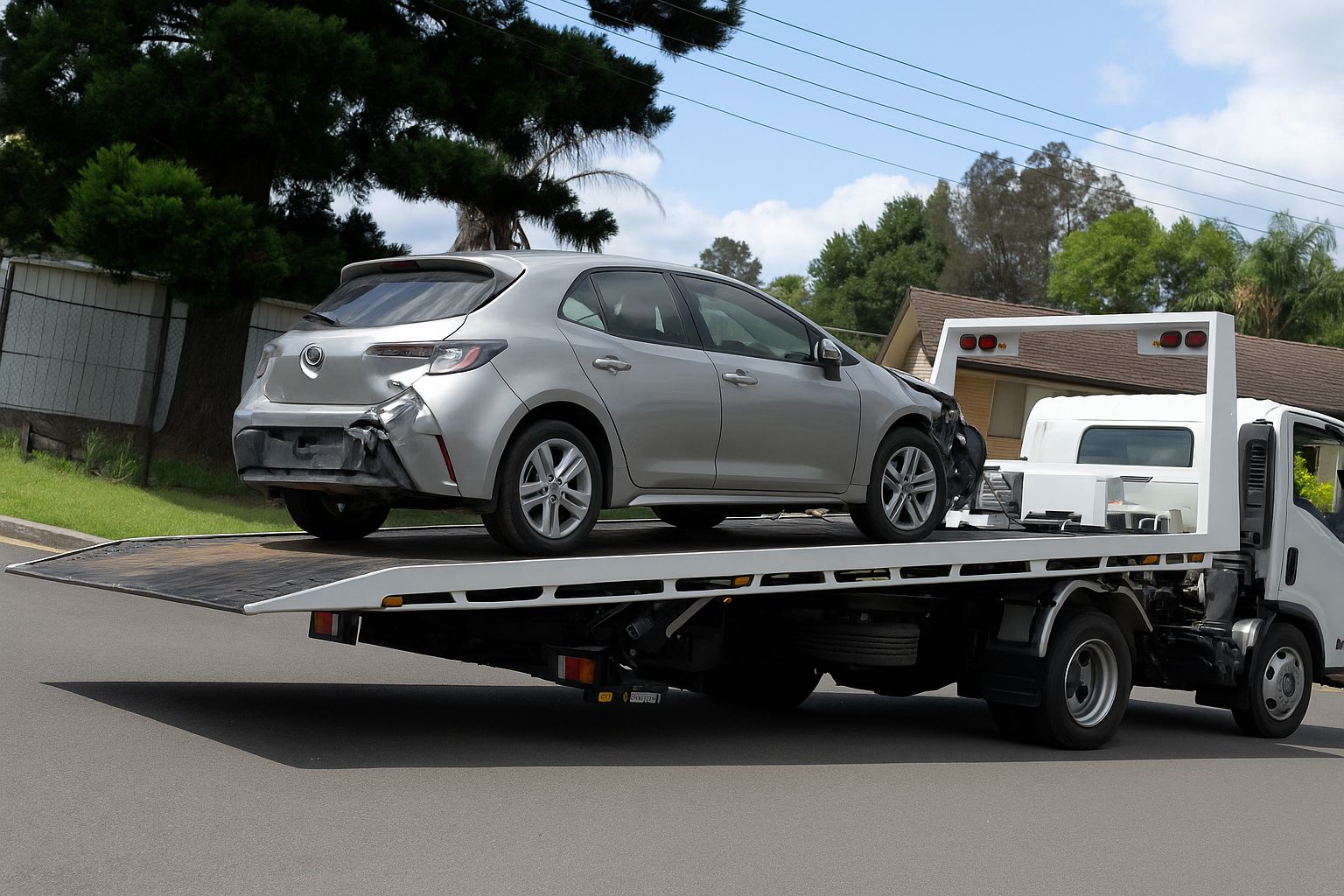
Many car owners assume that a vehicle with missing parts has little or no value. In reality, that’s not always true. Buyers often purchase incomplete vehicles for dismantling, recycling, repairs, or to recover usable components. Whether your car is missing an engine, gearbox, wheels, battery or other major parts, it may still be worth selling.
The amount you receive depends on several factors, including the vehicle’s make, model, age, overall condition, and which parts are missing. Understanding how buyers assess incomplete vehicles can help you set realistic expectations and make the selling process much easier.
Not all missing parts have the same impact on a vehicle’s value. Some components are expensive to replace, while others have only a minor effect on the final offer.
Parts that usually reduce value significantly include:
Parts that may have a smaller impact include:
Professional car buyers assess the entire vehicle rather than focusing on one missing component. Even if important parts have been removed, the remaining body panels, suspension, interior, and reusable components may still hold value.
Many damaged or incomplete vehicles are not repaired for road use. Instead, they are dismantled so that usable parts can be sold to repair other vehicles. Materials such as steel, aluminium, copper, and catalytic converters also have recycling value.
This means your car may still be attractive to:
Each buyer values vehicles differently depending on their business model, which is why comparing offers is worthwhile.
Even if the vehicle no longer runs, taking a few simple steps can make the selling process easier.
Before contacting buyers:
Accurate information helps buyers provide more reliable quotes and reduces delays.
One of the most common reasons offers change after inspection is incomplete or inaccurate information.
If major parts have been removed, mention them upfront.
For example, explain if the vehicle:
Clear communication helps buyers prepare appropriate equipment for collection and usually results in a smoother transaction.
In New South Wales, registration is not always required to sell your car, particularly if it is being purchased for dismantling or recycling. However, you should be able to prove ownership and provide valid identification.
Depending on the buyer, you may be asked for:
Having these documents ready can speed up the transaction.
Prices for incomplete vehicles can vary because different buyers specialise in different types of cars.
For example:
Obtaining several quotes allows you to compare offers and understand the market value of your vehicle before making a decision.
Many owners unknowingly reduce the value of their vehicle before selling.
Common mistakes include:
Avoiding these mistakes can make the sale faster and help you receive maximum cash for your car.
Accident damage usually affects value, but many buyers still purchase damaged vehicles for dismantling or recycling.
Buyers generally consider the vehicle’s make, model, age, condition, remaining components, current demand, and recycling value before making an offer.
Selling a car with missing parts in Sydney is often easier than many people expect. Even if the vehicle no longer runs or important components have been removed, it may still hold value for recyclers, dismantlers, or buyers looking for usable parts.
The best approach is to provide accurate information, prepare the necessary documents, compare multiple offers, and choose a reputable buyer. Taking these simple steps can help you complete the sale smoothly while receiving a fair market price for your vehicle.