
Opening Hours: Mon-Sun: 7.00 am - 10:00 pm A wrecking yard in Sydney, NSW
Opening Hours: Mon-Sun: 7.00 am - 10:00 pm A wrecking yard in Sydney, NSW
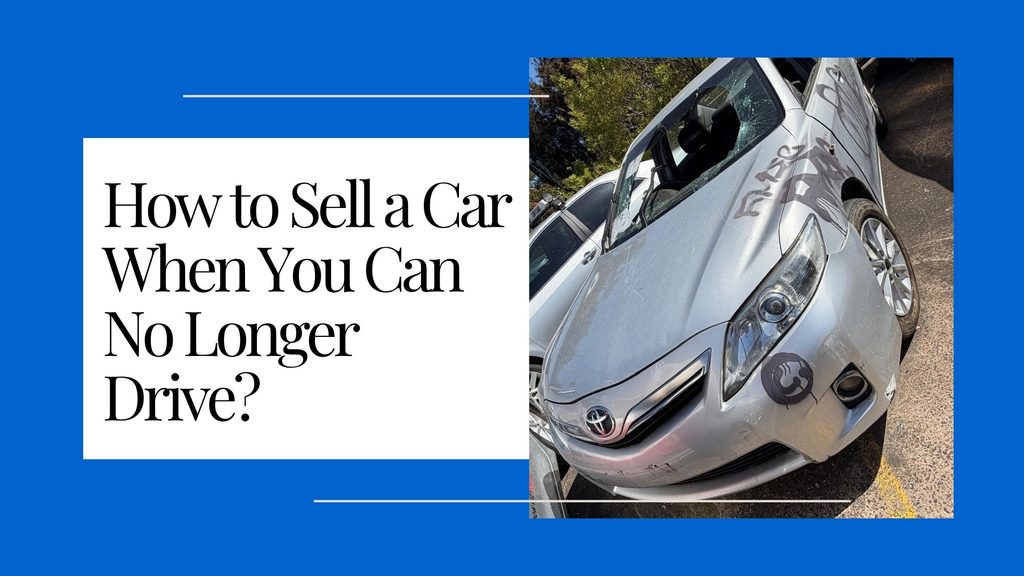
If you can no longer drive your car, you may be wondering what to do with it. You might have stopped driving altogether, changed your transport arrangements, or simply have no use for the vehicle anymore. Whatever the reason, selling it can seem difficult when you cannot get behind the wheel and take it to a buyer.
You do not necessarily need to drive your car to sell it. You can contact a buyer, provide the vehicle details, explain where it is located and arrange an inspection or collection from there.
For Sydney car owners, Sell My Car Sydney buys used, old, unwanted and damaged vehicles and can arrange vehicle collection when required.
Yes. Being unable to drive does not prevent you from selling your vehicle. The important point is to separate your ability to drive from the condition of the car. Your car might be running perfectly well, but you may no longer be able to drive it. Alternatively, the vehicle may also have mechanical or damage-related problems.
For example, you may want to sell your car because:
In these situations, you can look for a buyer who is able to inspect and collect the vehicle from its current location.
If the car is mechanically sound but you cannot drive it yourself, there is no reason to make unnecessary repairs or changes simply because you cannot deliver it to a buyer.
Start by gathering the basic vehicle information. This can include the:
Taking clear photographs can also help. Photos of the exterior, interior, dashboard, tyres and any visible damage can give the buyer a useful initial picture of the vehicle.
You can then discuss the vehicle with a buyer and ask about an inspection at its current location.
No. This is one of the main concerns for people who have stopped driving.
When contacting a buyer, explain that you cannot drive the vehicle to their premises. Ask whether they can inspect the car where it is parked and whether collection is available if you decide to sell.
This can be much simpler than arranging for someone else to drive the car, hiring separate transport or organising a private sale where every potential buyer wants to inspect the vehicle.
The exact options will depend on the buyer, the vehicle and its location, so discuss these details before agreeing to a sale.
Sometimes the reason you cannot drive is separate from the condition of the car. In other cases, the vehicle may have been left unused because it has developed a problem.
If the car has a flat battery, engine fault, accident damage, flat tyres or another issue, tell the buyer before arranging an inspection.
You should not attempt to drive a vehicle that is unsafe or unsuitable for the road simply to deliver it to a buyer.
If the vehicle needs to be collected, Sell My Car Sydney offers car removal services in Sydney. Explain whether the vehicle starts, whether it can move and where it is parked so suitable collection arrangements can be discussed.
The process can be straightforward if you prepare the right information beforehand.
Write down the make, model, year and approximate kilometres.
Also note the registration status and any problems you know about. If you have service records or other vehicle information, keep them available.
You do not need to know the exact market value of the car before making an enquiry.
Photographs are particularly useful when you cannot drive the vehicle to a buyer.
Take several clear photos of the exterior and interior. Include the dashboard, wheels and any visible damage or areas that may affect the vehicle’s condition.
Current photographs are more useful than old photos because they show what the vehicle looks like now.
When speaking with a buyer, simply explain that you can no longer drive the car.
If the vehicle is running normally, say so. If it also has mechanical or cosmetic problems, describe those separately.
Being straightforward at this stage helps the buyer understand what will be required.
Provide the vehicle information and ask the buyer to assess it.
The value of a car can depend on its make, model, age, kilometres, condition, demand and other factors. Whether the vehicle can be driven may also affect how it needs to be collected.
You do not have to repair the vehicle or arrange transport before asking about its value.
If the buyer needs to inspect the vehicle, arrange a convenient time.
Tell them exactly where the car is parked and mention any access issues. A vehicle inside a garage, behind a narrow gate or on a difficult driveway may require different collection arrangements from a car parked in an open driveway.
Providing this information beforehand helps prevent surprises later.
Once you have agreed to sell, confirm the collection arrangements and any required paperwork.
If you cannot drive, having the vehicle collected from its current location can remove one of the biggest practical difficulties associated with selling it.
Not always.
If your vehicle is in reasonable condition but you simply cannot drive anymore, there may be no need to carry out repairs just to sell it.
Likewise, if the car has a major mechanical problem, calculate the likely repair cost before spending money on it. An expensive repair may not make financial sense, particularly on an older vehicle.
Instead, explain the vehicle’s actual condition and ask for an assessment based on the car as it stands.
Simple preparation, such as removing rubbish and personal belongings, can make the vehicle easier to inspect. Major repairs are a separate financial decision and should be considered carefully.
The more accurate the information, the easier it is for a buyer to understand the vehicle.
Try to provide:
If the car has been sitting unused for a long period, mention that as well.
You do not need to provide a technical diagnosis for every problem. Simply describe what you know and allow the buyer to assess the vehicle.
If you cannot drive and travelling is also difficult, tell the buyer when making your enquiry. This is another reason why local vehicle collection can be useful. Instead of trying to organise transport for the car yourself, you can discuss whether the vehicle can be inspected and collected from its current location.
Before collection, explain any access restrictions. This could include a narrow driveway, locked gate, underground parking area or vehicle parked inside a garage. Good communication beforehand can make the collection process much smoother.
Before completing the sale, gather the documents and information you have for the vehicle. The requirements for registration and vehicle transfers can depend on your circumstances and can change over time. For current NSW requirements, check the official Service NSW vehicle registration and transfer information.
If someone else is helping you with the sale, or there is an unusual ownership situation, check the relevant requirements before completing the transaction. Keeping a record of the sale and any documents you receive or provide is also sensible.
Once the sale has been agreed, prepare the vehicle for handover.
Check the glovebox, boot, centre console and other storage areas for personal belongings. Remove personal documents, toll tags and other items you no longer want to leave in the car.
Make sure you have retained any paperwork or records you need.
Also confirm that the collection team knows where the vehicle is located and can access it. If the car is behind a gate or in a restricted area, make those arrangements before collection day.
If you can no longer drive, you do not necessarily have to keep an unwanted car sitting at home.
You can start by gathering the vehicle details, taking a few current photographs and explaining your circumstances to a buyer. From there, you can discuss the vehicle’s value, inspection requirements and collection options.
Sell My Car Sydney buys a range of used, old, unwanted and damaged vehicles across Sydney. If you cannot drive your car, you can provide its details and location and discuss a suitable way to complete the sale and arrange collection.
Selling a car can still be possible even when you can no longer drive it yourself. The key is to focus on the practical steps: collect the vehicle information, take current photographs, explain your situation honestly, arrange an assessment and discuss how the vehicle can be collected.
You do not need to drive the car to a buyer simply because you want to sell it. Whether the vehicle is running normally or has additional problems, explaining its actual condition and location from the beginning can make the process easier.
For Sydney car owners, arranging a buyer who can inspect and collect the vehicle from its current location can provide a practical alternative to trying to transport the car yourself.