
Opening Hours: Mon-Sun: 7.00 am - 10:00 pm A wrecking yard in Sydney, NSW
Opening Hours: Mon-Sun: 7.00 am - 10:00 pm A wrecking yard in Sydney, NSW
You turn the key, hear a click, and nothing happens. You try again, but the engine still refuses to start. Now you have a simple question to answer: is the car worth repairing, or is it time to sell it?
A non-running car can be frustrating, especially when it is taking up space in your driveway or garage. But a vehicle that will not start is not automatically worthless. Depending on its age, condition and mechanical problem, you may have several options.
Before making a decision, find out what is actually wrong.
A dead battery or faulty starter may be relatively simple to fix. However, problems involving the engine, transmission, fuel system or electrical components can become expensive.
If you are unsure about the cause, ask a qualified mechanic to inspect the vehicle. A proper diagnosis gives you a better idea of whether repairing the car is financially sensible.
Getting a repair quote is only half the decision. You also need to consider what the car is worth.
For example, spending a few hundred dollars to get a reliable vehicle running again may make sense. But if an older car requires several thousand dollars in repairs and already has other problems, putting more money into it may not be worthwhile.
Consider:
Looking at the complete picture can help you avoid spending more than the vehicle is realistically worth.
If the repair bill is too high, you do not necessarily have to fix the vehicle before selling it.
You can sell a non-running car in its current condition, provided you accurately explain its condition to potential buyers. Some buyers are specifically interested in vehicles that need repairs, parts or restoration.
Even a car with a failed engine may still contain valuable components, including body panels, wheels, interior parts, transmission components and other usable parts.
For owners searching for cash for cars in Sydney, selling the vehicle as-is can be an alternative to paying for major repairs first.
Selling privately can work, but a non-running vehicle may attract fewer buyers.
Most private buyers want a car they can drive away and use immediately. If your vehicle needs towing or significant mechanical work, you may need to wait longer for the right buyer.
You will also need to handle enquiries, negotiations, inspections and collection arrangements yourself.
If you choose this route, be upfront about the problem. Clearly stating that the car does not start can save time and prevent misunderstandings.
A non-running car cannot simply be driven to the buyer.
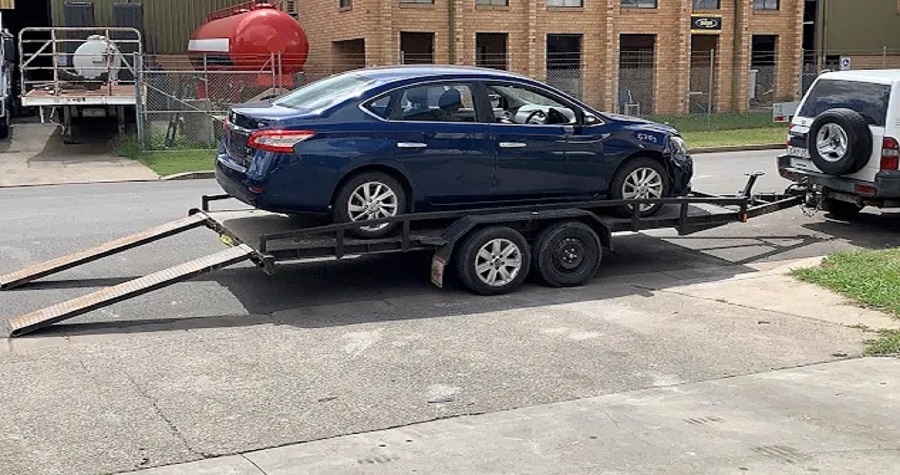
Before agreeing to a sale, find out how the vehicle will be moved and whether towing or removal is available. This is particularly important if the car is parked in a tight driveway, garage or another difficult location.
When comparing offers, consider the total amount you will actually receive after any removal or transport costs, rather than looking only at the headline price.
If you have decided not to repair the vehicle, leaving it unused for months may create additional problems.
The battery can remain flat, tyres can deteriorate, rust can develop and other components may suffer from prolonged exposure to moisture or weather.
If you already know you are unlikely to repair the car, it may be better to make a decision rather than allowing it to continue taking up valuable space.
Having basic information ready can make the selling process easier.
Gather the vehicle’s registration details, service records, repair receipts and other relevant paperwork you have available. Be prepared to explain when the car stopped running and whether you know the cause.
Honesty is important. If the engine has failed, the battery is dead or the vehicle has another known fault, tell the buyer before arranging an inspection or collection.
There is no universal answer, but selling may be worth considering when:
For Sydney owners, Sell My Car Sydney offers an option for people looking to sell older, unwanted, damaged and non-running vehicles without first spending heavily on repairs.
A car that no longer starts can feel like a major problem, but you do have choices. Start by finding out what has failed, get a realistic repair estimate and compare the cost with the vehicle’s potential value.
If the repair is affordable and the rest of the car is in good condition, fixing it may be sensible. If the vehicle needs major work and has limited value, selling it as-is could save you time, money and further hassle. The key is to make the decision based on the car’s actual condition and numbers not simply the fact that it won’t start.